1. LiteSpeed: The Server-Level Powerhouse
If you are on a LiteSpeed server, LSCache is the undisputed king. Unlike file-based caching plugins, LiteSpeed is an event-driven server-level cache.
- The Advantage: It communicates directly with the server’s engine. It supports ESI (Edge Side Includes), which allows you to cache a whole page while keeping dynamic parts (like a “Welcome, User” header) uncached.
- Key Feature: Its private cache for logged-in users and its superior WooCommerce “Smart Purge” logic make it the only choice for dynamic sites.
2. WP Rocket: The Application-Level Refiner
WP Rocket is best viewed as an Asset Optimization suite rather than a pure “caching” tool. While it does file-based caching, its real value lies in how it handles the frontend.
- The Advantage: It’s the “Nginx-friendly” choice. If you aren’t on LiteSpeed, WP Rocket handles CSS/JS delivery (delaying execution, minification) better than almost any other tool.
- The Workflow: It’s great for refining the Critical Rendering Path by automatically identifying and delaying non-essential scripts until user interaction.
3. Cloudflare: The Edge Layer
Cloudflare isn’t a replacement for the above; it’s the shield and the accelerator that sits in front of them.
- APO (Automatic Platform Optimization): For $5/month, Cloudflare caches your entire HTML at their edge. This means a user in London hits a London data center for your Dhaka-hosted site, resulting in a TTFB of <50ms.
- Tiered Cache: It reduces “Cache Misses” by checking regional Tier 1 data centers before hitting your origin server, protecting your CPU during traffic spikes.
The “Pro” Recommendation: The Hybrid Stack
Don’t choose one. Build a hierarchy. For the absolute best performance, the “Golden Stack” for developers is:
- Server: LiteSpeed Enterprise.
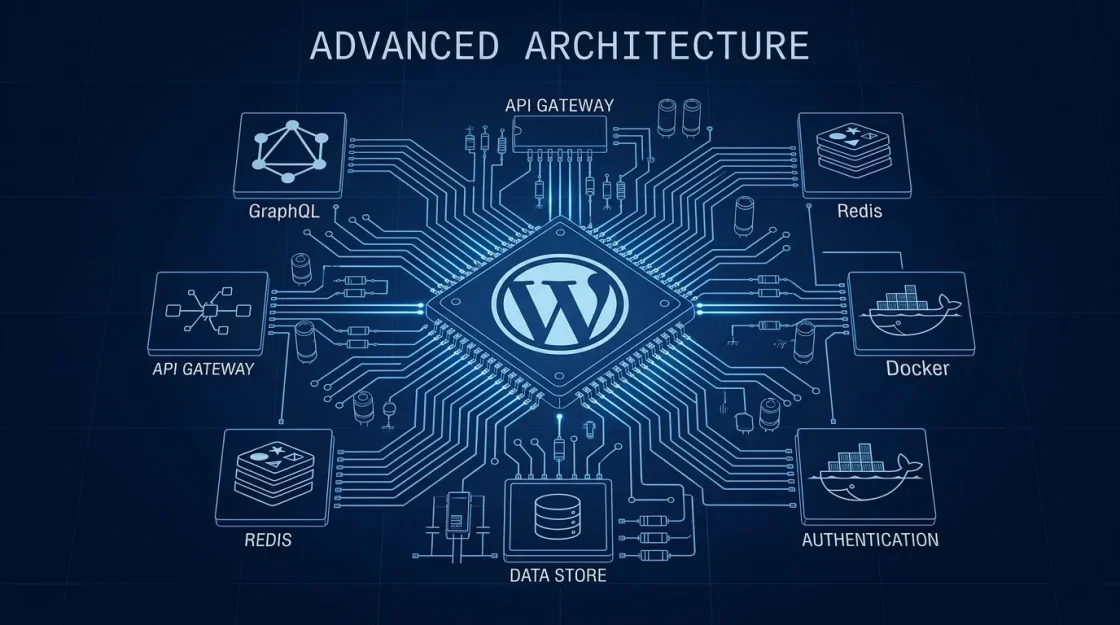
- Object Cache: Redis (to handle database query caching).
- Plugin: LiteSpeed Cache (to manage server-level purging and ESI).
- Edge: Cloudflare with APO enabled.
This setup ensures that static assets never hit your server (Cloudflare), page-level HTML is handled by the server RAM (LiteSpeed), and database queries are offloaded (Redis).