1. Headless WordPress & Decoupled Architecture
Moving to a Headless setup means using WordPress only as a backend (Content Management System) and using a modern frontend framework (Next.js, Astro, or Remix) to render the site.
- The Advantage: You get the ease of the WordPress editor combined with the lightning speed and security of a static or server-side rendered (SSR) frontend.
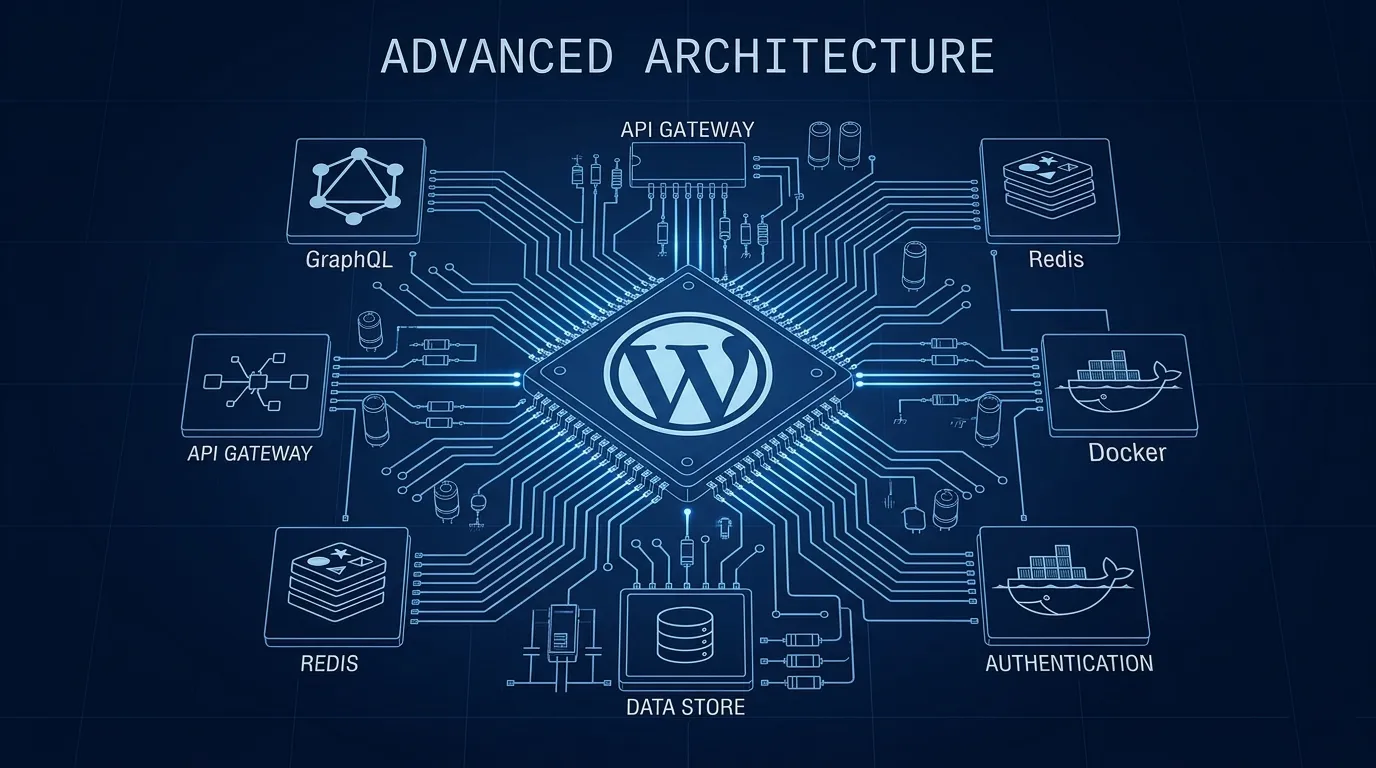
- The Tech: Leveraging the WP REST API or WPGraphQL to fetch content and deploying the frontend to a global edge network like Vercel or Netlify.
2. Advanced Database Scaling & Optimization
For sites with millions of rows or heavy WooCommerce traffic, standard optimization isn’t enough.
- Index Tuning: Creating custom composite indexes for non-standard queries to prevent “full table scans” that lock the MySQL engine.
- Redis Object Caching: Moving from simple file-based caching to an in-memory data structure store. This offloads the database by storing expensive query results in RAM.
- Query Profiling: Using tools like
EXPLAINin MySQL to identify slow execution plans before they hit production.
3. The CI/CD Pipeline for WordPress
Stop using FTP. Professional development requires a version-controlled, automated deployment workflow.
- Version Control: Managing the entire site (excluding the
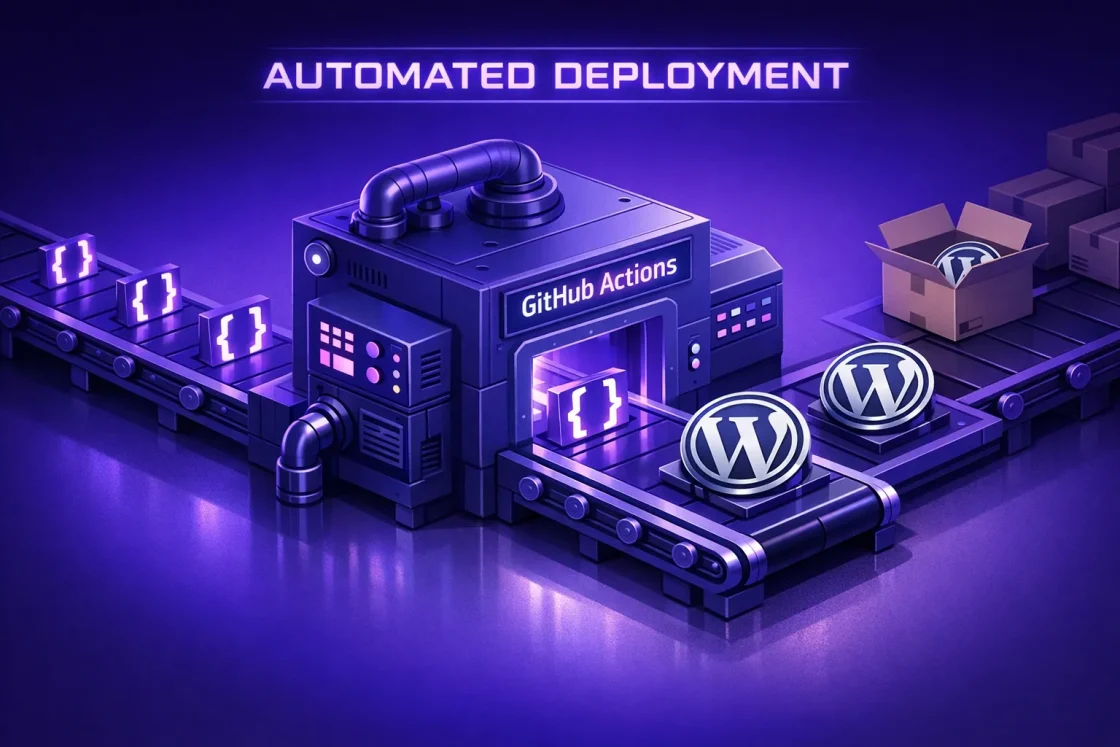
/uploads/folder and database) via Git. - Automated Deployment: Using GitHub Actions or GitLab CI to automatically run tests, compile assets (SASS/JS), and push code to the server via SSH or RSYNC.
- Staging Sync: Utilizing WP-CLI scripts to automate the pulling and pushing of database changes between local, staging, and production environments.
4. Server Hardening & Containerization
Treating your server as an immutable environment.
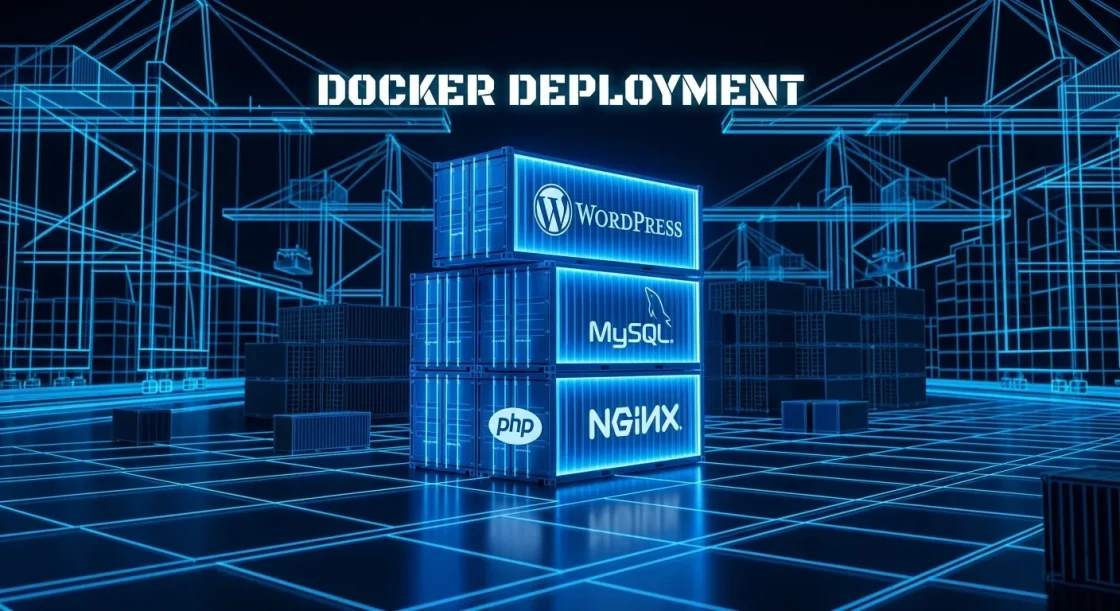
- Docker for WordPress: Containerizing the stack (Nginx, PHP-FPM, MySQL) to ensure that your local development environment is a bit-for-bit match with your production server.
- Micro-caching Architecture: Configuring Nginx to cache dynamic requests for 1–5 seconds, allowing a single-core VPS to handle thousands of concurrent users during a traffic spike.
5. Custom Technical SEO Frameworks
Advanced SEO is about more than meta tags; it’s about the Critical Rendering Path.
- Resource Hints: Manually implementing
dns-prefetch,preconnect, andpreloaddirectives in the header for third-party assets. - Schema Automation: Building custom PHP frameworks to automatically inject JSON-LD Schema based on ACF (Advanced Custom Fields) data, ensuring search engines understand your data structure perfectly.